15 Interesting Facts About the Vietnam DMZ
The Vietnam Demilitarized Zone (DMZ) is one of the most historically significant regions in Southeast Asia. Stretching along the 17th Parallel in Central Vietnam, it once separated North and South Vietnam during the Vietnam War.
Today, the area is a powerful historical destination filled with battlefields, tunnels, bridges, and memorials.
Here are 15 interesting facts about the Vietnam DMZ that will help you understand its importance.
1. The DMZ Was Created in 1954
The Vietnam DMZ was established after the Geneva Accords of 1954, temporarily dividing Vietnam into North and South along the 17th Parallel.
2. It Was Never Intended to Be Permanent
The DMZ was meant to be a temporary military boundary, but it lasted over 20 years until the reunification of Vietnam in 1975.
3. The Ben Hai River Marked the Border
The Ben Hai River was the exact natural boundary separating North and South Vietnam within the DMZ.
4. Hien Luong Bridge Symbolized Division
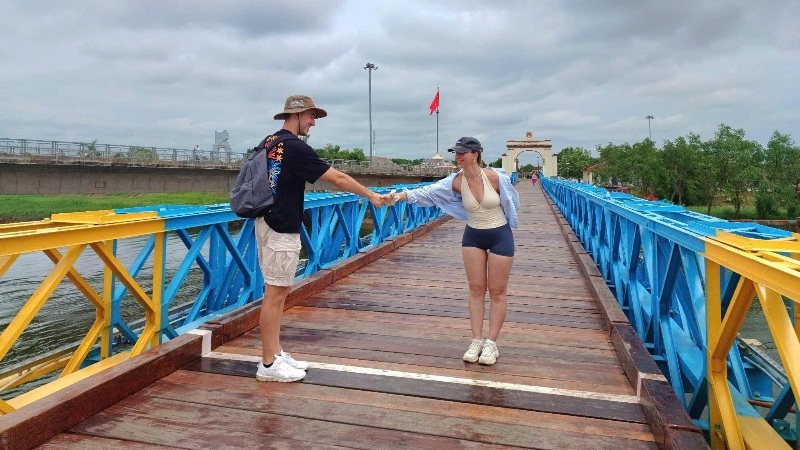
The Hien Luong Bridge crossed the Ben Hai River and became a powerful symbol of separation between the two sides.
5. The Bridge Was Painted Two Different Colors
During the war, each side painted its half of the bridge a different color—blue in the North and yellow in the South—as a symbolic competition.
6. The DMZ Was One of the Most Militarized Zones
Despite being called “demilitarized,” the area became one of the most heavily fortified regions during the Vietnam War.
7. Vinh Moc Tunnels Protected Entire Villages
The Vinh Moc Tunnels were built for civilians to survive heavy bombing. Entire families lived underground for years.
8. The Tunnels Have Three Underground Levels
Vinh Moc features multiple underground levels, including living quarters, kitchens, and medical rooms.
9. Khe Sanh Was a Major US Marine Base
The Khe Sanh Combat Base played a key role in controlling movement along the Ho Chi Minh Trail.
10. The Battle of Khe Sanh Lasted Over 5 Months
The 1968 battle was one of the longest and most intense confrontations of the Vietnam War.
11. Quang Tri Citadel Saw One of the Bloodiest Battles
The citadel was the site of the 81-day battle in 1972, causing massive destruction.
12. The DMZ Includes the Ho Chi Minh Trail Network
The surrounding region connected to parts of the legendary Ho Chi Minh Trail used for troop movement.
13. Civilians Were Heavily Affected
Unlike many war zones, the DMZ directly impacted civilian life, especially in villages like Vinh Moc.
14. The Area Is Now a Peaceful Tourism Route
Today, the former DMZ is part of a historical tourism route featuring museums, memorials, and preserved war sites.
15. The Best Way to Explore It Is From Hue
Most travelers visit the DMZ from Hue City, which is the nearest major tourist hub and starting point for guided tours.
A full-day Hue DMZ Tour typically includes:
- Hien Luong Bridge
- Ben Hai River
- Vinh Moc Tunnels
- Khe Sanh Combat Base
- Quang Tri Citadel
Suggested Vietnam DMZ Travel Route
If you want to explore the region efficiently:
Morning: Hue → Hien Luong Bridge → Ben Hai River → Vinh Moc Tunnels
Afternoon: Khe Sanh Combat Base → Quang Tri Citadel
Evening: Return to Hue
Why the Vietnam DMZ Is Worth Visiting
The DMZ offers a unique combination of:
- Military history
- Civilian survival stories
- Cold War geopolitics
- Preserved battlefields
- Emotional memorial sites
It is one of the most meaningful historical journeys in Vietnam.
Frequently Asked Questions
What does DMZ mean in Vietnam?
DMZ stands for Demilitarized Zone, the area separating North and South Vietnam during the war.
Can you visit the Vietnam DMZ today?
Yes, it is open to tourists and includes many preserved historical sites.
Is a guided tour necessary?
A guided Hue DMZ Tour is highly recommended for historical context and efficient travel.
Conclusion
The Vietnam DMZ is more than a historical region—it is a powerful reminder of Vietnam’s division, struggle, and reunification. From the Ben Hai River and Hien Luong Bridge to the underground Vinh Moc Tunnels and Khe Sanh Combat Base, every site tells a story.
For travelers interested in Vietnam War history, visiting the DMZ from Hue offers one of the most insightful and meaningful travel experiences in Central Vietnam.