Vietnam War Sites Map: Explore Vietnam’s Historic Battlefields
Vietnam is home to hundreds of historical landmarks connected to the Vietnam War. From underground tunnels and former military bases to museums and memorials, these sites tell the story of one of the most significant conflicts of the 20th century.
Whether you’re a history enthusiast, student, veteran, or traveler, this Vietnam War Sites Map will help you discover the country’s most important wartime destinations.
Vietnam War Sites Map Overview
The major Vietnam War sites stretch across the country, but most are concentrated in Central and Southern Vietnam.
Northern Vietnam
- Hanoi
- Hoa Lo Prison Museum
- Vietnam Military History Museum
Central Vietnam
- Hue Imperial City
- Vietnam DMZ
- Ben Hai River
- Hien Luong Bridge
- Vinh Moc Tunnels
- Khe Sanh Combat Base
- Rockpile
- Camp Carroll
- Quang Tri Citadel
Southern Vietnam
- Cu Chi Tunnels
- War Remnants Museum
- Independence Palace
- Long Tan Battlefield
1. Vietnam DMZ (Demilitarized Zone)
The Vietnam DMZ was established in 1954 along the 17th Parallel following the Geneva Accords. Although intended as a temporary buffer between North and South Vietnam, it became one of the most heavily fortified and contested regions during the war.
Today, the DMZ is one of Vietnam’s most visited historical destinations, offering visitors the chance to explore battlefields, military bases, memorials, and underground tunnels.
Highlights include:
- Ben Hai River
- Hien Luong Bridge
- Vinh Moc Tunnels
- Khe Sanh Combat Base
- Dakrong Bridge
- Rockpile
- Camp Carroll
2. Vinh Moc Tunnels
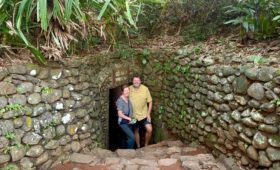
Located in Quang Tri Province, the Vinh Moc Tunnels form an extraordinary underground village built to protect civilians from relentless bombing.
More than two kilometers of tunnels were dug by local residents, complete with kitchens, meeting rooms, medical stations, wells, and family living spaces.
The tunnels remain one of the best-preserved civilian wartime shelters in Southeast Asia.
3. Khe Sanh Combat Base
Khe Sanh Combat Base became internationally famous during the Battle of Khe Sanh in 1968.
Today visitors can explore:
- Original airstrip
- Military bunkers
- Aircraft displays
- Tanks
- Museum exhibits
- Historical photographs
The site offers a powerful insight into one of the war’s most discussed battles.
4. Hien Luong Bridge & Ben Hai River
The Hien Luong Bridge crossed the Ben Hai River and symbolized the division between North and South Vietnam for more than twenty years.
Today visitors can walk across the restored bridge and learn about the history of the 17th Parallel.
This landmark remains one of the most iconic symbols of Vietnam’s reunification.
5. Quang Tri Citadel
The Ancient Citadel of Quang Tri witnessed one of the fiercest battles of 1972.
Thousands of soldiers fought during an 81-day campaign that has become one of Vietnam’s most significant military events.
Today the citadel serves as a peaceful memorial dedicated to those who lost their lives.
6. Camp Carroll
Camp Carroll was once one of the largest U.S. Marine artillery bases in the DMZ region.
Visitors can still observe:
- Massive artillery positions
- Defensive fortifications
- Historical remains
- Scenic mountain views
7. The Rockpile
The Rockpile is a striking limestone mountain that served as an important U.S. military observation post.
Although climbing is restricted, travelers can admire this famous landmark from nearby viewpoints while learning about its strategic importance.
8. Hue Imperial City
Although better known for its imperial heritage, Hue played a major role during the Tet Offensive of 1968.
Many guided tours explain how the city became one of the longest and most intense battlefields during the conflict.
9. Cu Chi Tunnels
Near Ho Chi Minh City, the Cu Chi Tunnels formed a vast underground network used by Vietnamese forces.
Visitors can:
- Crawl through restored tunnels
- Explore command centers
- View hidden trapdoors
- Learn about guerrilla warfare
It is one of Vietnam’s most popular historical attractions.
10. War Remnants Museum
Located in Ho Chi Minh City, the War Remnants Museum presents photographs, military vehicles, aircraft, and exhibitions documenting the Vietnam War from multiple perspectives.
It remains one of the country’s most visited museums.
Suggested Vietnam War Travel Route
If you’re interested in exploring the country’s wartime history, consider this itinerary:
Day 1: Hue → Ben Hai River → Hien Luong Bridge → Vinh Moc Tunnels
Day 2: Khe Sanh Combat Base → Camp Carroll → Rockpile → Quang Tri Citadel
Day 3: Fly to Ho Chi Minh City → Cu Chi Tunnels → War Remnants Museum
This route combines Vietnam’s most important historical landmarks into an unforgettable journey.
Frequently Asked Questions
Where are the most famous Vietnam War sites?
The most visited sites include the Vietnam DMZ, Vinh Moc Tunnels, Khe Sanh Combat Base, Cu Chi Tunnels, War Remnants Museum, and Quang Tri Citadel.
How many days are needed?
A two- to three-day itinerary is ideal for exploring the key Vietnam War sites in Central Vietnam, while adding Ho Chi Minh City extends the trip to four or five days.
What is the best starting point?
Hue is the most convenient base for visiting the Vietnam DMZ, Vinh Moc Tunnels, Khe Sanh Combat Base, Hien Luong Bridge, Ben Hai River, and Quang Tri Citadel.
Final Thoughts
A Vietnam War Sites Map is more than a travel guide—it is a journey through Vietnam’s modern history. From the underground resilience of the Vinh Moc Tunnels to the symbolic Hien Luong Bridge and the battle-scarred Khe Sanh Combat Base, each location offers a unique perspective on the conflict and the country’s path to reunification.
If you are planning a historical adventure in Central Vietnam, a guided Hue DMZ Tour provides one of the most comprehensive ways to experience these remarkable sites while gaining deeper insight into their historical significance.