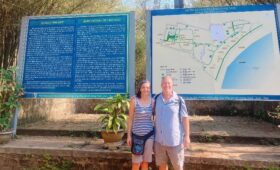
Vietnam DMZ Travel Guide
The Vietnam Demilitarized Zone (DMZ) is one of the country’s most significant historical destinations. Stretching across Quang Tri Province near the 17th Parallel, the DMZ was established after the Geneva Accords of 1954 to separate North and South Vietnam. Today, it offers visitors a fascinating journey through Vietnam’s wartime history, with preserved battlefields, underground tunnels, military bases, museums, and memorials.
Whether you are a history enthusiast, a veteran, or simply curious about Vietnam’s past, this Vietnam DMZ Travel Guide will help you plan an unforgettable trip.
What Is the Vietnam DMZ?
The Vietnam DMZ was a buffer zone created along the Ben Hai River following the Geneva Accords. Although intended as a temporary military boundary, it became one of the most heavily fortified regions during the Vietnam War.
Today, the former DMZ is a peaceful destination where visitors can learn about the conflict through historical landmarks and museums.
Where Is the Vietnam DMZ?
The Vietnam DMZ is located in Quang Tri Province, approximately 100 kilometers north of Hue City.
Thanks to its convenient location, Hue serves as the most popular starting point for day trips to the DMZ.
Travel time from Hue is approximately two to three hours by road.
Vietnam DMZ Map
The main attractions are spread across Quang Tri Province, including:
- Ben Hai River
- Hien Luong Bridge
- Vinh Moc Tunnels
- Khe Sanh Combat Base
- Camp Carroll
- The Rockpile
- Dakrong Bridge
- Quang Tri Citadel
Most guided tours combine several of these sites into a full-day itinerary.
Top Places to Visit in the Vietnam DMZ
1. Vinh Moc Tunnels
The Vinh Moc Tunnels are among Vietnam’s most impressive wartime engineering achievements. Built by local villagers to escape heavy bombing, the tunnel network extends over two kilometers underground.
Visitors can explore living quarters, kitchens, meeting rooms, medical stations, and wells while learning how hundreds of civilians survived below ground.
2. Hien Luong Bridge and Ben Hai River
Hien Luong Bridge crosses the Ben Hai River, which marked the boundary between North and South Vietnam.
Today, the restored bridge stands as a symbol of peace and national reunification.
The nearby museum explains the history of the 17th Parallel and the lives of families divided during the war.
3. Khe Sanh Combat Base
Khe Sanh Combat Base was the scene of one of the Vietnam War’s most famous battles.
Visitors can explore:
- Former runway
- Military bunkers
- Aircraft displays
- Tanks
- Historical museum
- War memorials
The site provides valuable insight into the military strategies used during the conflict.
4. Camp Carroll
Camp Carroll served as one of the largest U.S. Marine artillery bases in the DMZ.
Although much of the original base has disappeared, visitors can still view artillery positions and learn about its strategic importance.
5. The Rockpile
The Rockpile is a dramatic limestone outcrop that served as an observation post during the war.
Its commanding location offered excellent views over the surrounding mountains and supply routes.
6. Quang Tri Citadel
Quang Tri Citadel is one of Vietnam’s most important war memorials.
The 81-day battle fought here in 1972 caused immense destruction and loss of life. Today, the peaceful grounds honor those who fought and died during the conflict.
Suggested Vietnam DMZ Itinerary
Full-Day Tour from Hue
07:00 – Depart Hue
09:00 – Hien Luong Bridge & Ben Hai River
10:30 – Vinh Moc Tunnels
12:30 – Lunch in Quang Tri
14:00 – Khe Sanh Combat Base
15:30 – Camp Carroll
16:00 – The Rockpile (viewpoint)
18:00 – Return to Hue
This itinerary covers the region’s most iconic historical landmarks in one day.
How to Get to the Vietnam DMZ
Join a Guided Tour
A guided tour is the most convenient option for first-time visitors. Transportation, entrance fees, and historical commentary are typically included, making it easy to explore multiple sites in a single day.
Hire a Private Car
Travelers who prefer flexibility can hire a private car with a driver from Hue. This option allows you to customize your itinerary and spend more time at the attractions that interest you most.
Self-Drive
Renting a motorbike or car is possible, but many historical sites are spread across a large area, so careful planning is essential.
Best Time to Visit the Vietnam DMZ
The ideal time to visit is from February to August, when the weather is generally dry and suitable for sightseeing.
The rainy season (September to January) may affect road conditions and outdoor activities, though the historical sites remain open year-round.
What to Bring
To ensure a comfortable visit, pack:
- Lightweight clothing
- Comfortable walking shoes
- Sunscreen
- Hat
- Sunglasses
- Reusable water bottle
- Camera
- Insect repellent
Many sites involve walking outdoors, so preparation is recommended.
Travel Tips
- Start your tour early to avoid midday heat.
- Wear respectful clothing when visiting memorials.
- Stay on marked paths inside tunnels and historical sites.
- Bring cash for small purchases in rural areas.
- Allow enough time to read museum displays and exhibits for a richer understanding of the region’s history.
Frequently Asked Questions
Is the Vietnam DMZ worth visiting?
Yes. The Vietnam DMZ offers one of the most comprehensive experiences for anyone interested in Vietnam’s modern history. Its combination of battlefields, tunnels, museums, and memorials provides valuable historical insight.
Can I visit the Vietnam DMZ in one day?
Yes. Most travelers explore the major attractions on a full-day tour departing from Hue.
Which attraction is the most popular?
The Vinh Moc Tunnels are widely regarded as the highlight of the region due to their remarkable preservation and historical significance.
Is the tour suitable for families?
Yes. Families with older children and teenagers often find the experience educational and meaningful. Some tunnel sections are narrow, so visitors with mobility concerns should plan accordingly.
Why Start Your Vietnam DMZ Journey from Hue?
Hue is the closest major tourist city to the Vietnam DMZ and offers excellent accommodation, dining, and transportation options. Starting your journey from Hue allows you to comfortably visit the region’s key historical landmarks in a single day or combine the trip with other attractions in Central Vietnam.
Conclusion
A visit to the Vietnam DMZ is more than a sightseeing trip—it is an opportunity to better understand Vietnam’s history, resilience, and journey toward peace. From the underground Vinh Moc Tunnels and the symbolic Hien Luong Bridge to the legendary Khe Sanh Combat Base, every destination tells a story that continues to resonate with visitors from around the world.
If you’re planning a historical adventure in Central Vietnam, consider joining a Hue DMZ Tour to experience these remarkable sites with the insights of a knowledgeable local guide.