Vietnam War Timeline in Central Vietnam
Central Vietnam witnessed some of the most significant military campaigns of the Vietnam War (1955–1975). Stretching from the former Demilitarized Zone (DMZ) to Hue, Da Nang, Quang Tri, and Quang Nam, the region became the center of intense battles that shaped the course of the conflict.
Today, visitors can follow the Vietnam War timeline through preserved battlefields, tunnels, military bases, museums, and memorials, offering a deeper understanding of one of the 20th century’s most influential wars.
Why Was Central Vietnam So Important During the Vietnam War?
Central Vietnam sat at the dividing line between North and South Vietnam after the Geneva Accords of 1954 established the 17th Parallel.
This strategic position made the region a military hotspot because it contained:
- The Demilitarized Zone (DMZ)
- The Ben Hai River
- Ho Chi Minh Trail supply routes
- Major US Marine bases
- Important cities such as Hue and Da Nang
Many of the war’s largest offensives were fought here.
Vietnam War Timeline in Central Vietnam
1954 – Vietnam Is Divided
Following the Geneva Conference, Vietnam was temporarily divided:
- North Vietnam controlled the north.
- South Vietnam governed the south.
- The 17th Parallel in Quang Tri Province became the temporary border.
The DMZ soon evolved into one of the world’s most militarized borders.
1955–1964 – Rising Conflict
During the late 1950s and early 1960s:
- US military advisors increased their presence.
- South Vietnam strengthened defenses near the DMZ.
- The Ho Chi Minh Trail expanded through Laos to support North Vietnamese forces.
Although large-scale battles had not yet begun, Central Vietnam became increasingly militarized.
1965 – US Combat Troops Arrive
In March 1965, US Marines landed in Da Nang.
This marked a turning point as:
- Da Nang Air Base became one of America’s largest military installations in Asia.
- Chu Lai Base opened shortly afterward.
- Thousands of troops were deployed throughout Quang Nam and Quang Tri.
The war rapidly intensified.
1966–1967 – Escalation Around the DMZ
The provinces of Quang Tri and Quang Binh experienced continuous fighting.
Major events included:
- Operation Hastings
- Operation Prairie
- Increasing artillery exchanges across the DMZ
- Construction of combat bases including Khe Sanh
The region became one of the most dangerous areas in Vietnam.
1968 – Tet Offensive
The Tet Offensive transformed the war.
One of its most famous battles occurred in Hue.
Battle of Hue
Lasting nearly one month, the Battle of Hue became one of the bloodiest urban battles of the Vietnam War.
The city’s Citadel changed hands during intense house-to-house combat.
Today, visitors can still see:
- Imperial Citadel
- Battle-damaged walls
- Historic gates
- Memorial sites
1968 – Battle of Khe Sanh
At nearly the same time, the Battle of Khe Sanh unfolded near the Laotian border.
For 77 days:
- US Marines defended Khe Sanh Combat Base.
- North Vietnamese forces surrounded the base.
- Heavy bombing and artillery dominated the battlefield.
Many historians compare Khe Sanh to the Battle of Dien Bien Phu due to its strategic importance.
Today, Khe Sanh Combat Base Museum preserves aircraft, bunkers, and military artifacts.
1972 – Easter Offensive
The Easter Offensive marked one of the largest conventional invasions of the war.
Central Vietnam became the main battlefield.
Major locations included:
- Quang Tri Citadel
- Dong Ha
- Cua Viet
- Highway 1
The Battle of Quang Tri lasted several months and resulted in enormous casualties.
Quang Tri eventually became one of Vietnam’s most symbolic wartime locations.
1973 – Paris Peace Accords
The Paris Peace Accords led to:
- Withdrawal of US combat forces
- Continued fighting between North and South Vietnam
- Reduced American military presence in Central Vietnam
However, peace remained fragile.
1975 – End of the Vietnam War
During the Spring Offensive:
- Hue fell in March 1975.
- Da Nang was captured shortly afterward.
- Southern defenses collapsed rapidly.
- Saigon fell on April 30, 1975.
The Vietnam War officially ended, and Vietnam was reunified in 1976.
Important Vietnam War Sites in Central Vietnam
Visitors interested in wartime history should consider these destinations:
1. DMZ (Demilitarized Zone)
Highlights include:
- Hien Luong Bridge
- Ben Hai River
- Vinh Moc Tunnels
- Former military observation points
2. Khe Sanh Combat Base
Features:
- Original runway
- Aircraft displays
- Museum exhibits
- Military bunkers
3. Hue Imperial Citadel
Visitors can explore:
- Battle locations from the Tet Offensive
- Imperial architecture
- Restoration projects
- Museums
4. Quang Tri Citadel
One of Vietnam’s most important memorial sites, commemorating the fierce 81-day battle of 1972.
5. Vinh Moc Tunnels
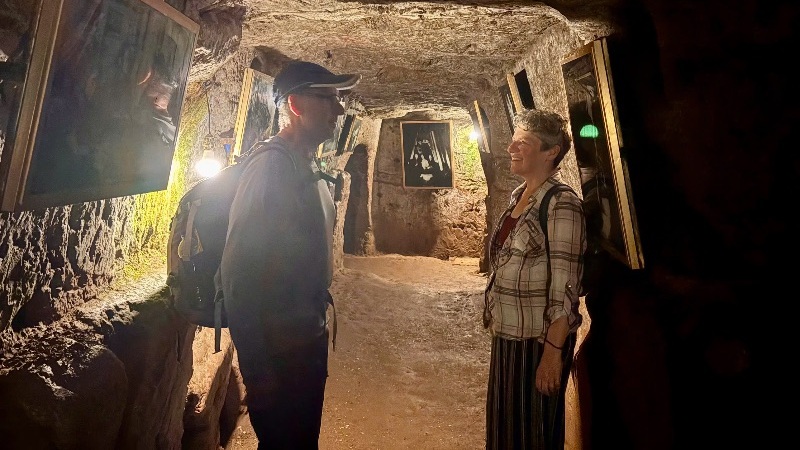
Unlike the better-known Cu Chi Tunnels, Vinh Moc served as an underground village where civilians lived during intense bombing campaigns.
6. Da Nang Museum
Several museums in Da Nang display military equipment, wartime photographs, and historical documents related to the conflict.
Suggested Vietnam War History Tour
A 3-day itinerary might include:
Day 1
- Hue Imperial Citadel
- Hue Museum
- Evening walking tour
Day 2
- Quang Tri Citadel
- Hien Luong Bridge
- Vinh Moc Tunnels
Day 3
- Khe Sanh Combat Base
- Rockpile
- Ho Chi Minh Trail viewpoints
Travel Tips
- Hire a knowledgeable local guide for historical context.
- Wear comfortable shoes, as many sites involve walking.
- Visit between February and August for favorable weather.
- Allocate enough time at museums and memorials to fully appreciate the history.
Final Thoughts
The Vietnam War timeline in Central Vietnam is more than a sequence of military events—it tells the story of resilience, sacrifice, and national transformation. From the historic streets of Hue to the former battlefields of Khe Sanh and the tunnels beneath Quang Tri, each location offers valuable insight into the conflict and its lasting legacy.
Whether you are a history enthusiast, researcher, veteran, or traveler, exploring Central Vietnam’s wartime heritage provides a meaningful journey through one of modern history’s most significant chapters.