Hien Luong Bridge History
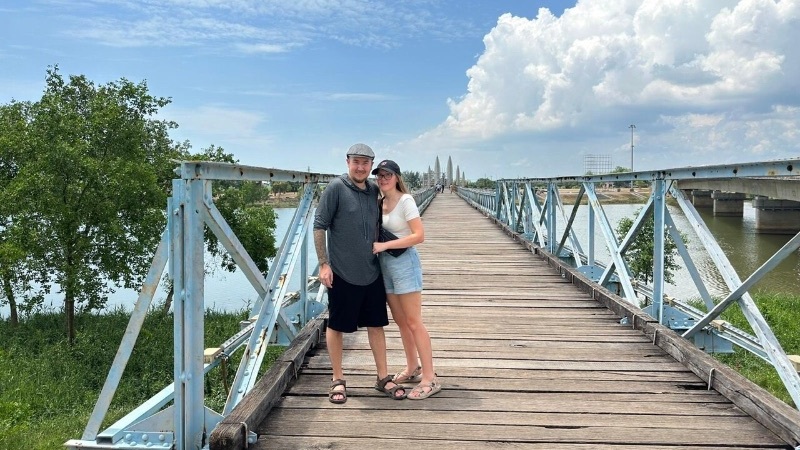
Hien Luong Bridge is one of the most symbolic historical landmarks in Vietnam. Located in Quang Tri Province, it spans the Ben Hai River and once marked the dividing line between North and South Vietnam at the 17th Parallel.
Today, the bridge stands as a powerful reminder of Vietnam’s wartime history and its journey toward national reunification.
Where Is Hien Luong Bridge?
Hien Luong Bridge is located in Vinh Thanh commune, Gio Linh district, Quang Tri Province, approximately:
- 100 km north of Hue
- 20 km from Dong Ha city
It is often visited as part of a Vietnam DMZ Tour from Hue.
Why Is Hien Luong Bridge Important?
Hien Luong Bridge was not just a crossing over the Ben Hai River—it was a political and emotional boundary for more than 20 years.
From 1954 to 1975, the bridge separated:
- North Vietnam (Democratic Republic of Vietnam)
- South Vietnam (Republic of Vietnam)
Families were divided, and the bridge became a silent witness to one of the most painful periods in Vietnamese history.
The 17th Parallel and the Ben Hai River
The Ben Hai River was designated as the temporary military demarcation line under the Geneva Accords of 1954.
Key facts:
- The dividing line was set at the 17th Parallel
- The river became the border between North and South Vietnam
- Hien Luong Bridge connected both sides physically but not politically
The area became heavily guarded and symbolically important during the Vietnam War.
The Colorful Story of the Bridge
One of the most unique features of Hien Luong Bridge is its two-color paint scheme:
- North side painted blue
- South side painted yellow
Both sides repeatedly repainted their half of the bridge in symbolic competition, turning it into a visual representation of division.
Today, the bridge has been restored and painted uniformly as a symbol of peace.
Hien Luong Bridge During the Vietnam War
During the war, the bridge area was:
- Constantly monitored by military forces
- Covered with loudspeakers and propaganda systems
- A site of psychological warfare
- Heavily restricted for civilian movement
Despite its peaceful appearance today, the site once carried immense political tension.
What to See Today
Visitors to Hien Luong Bridge can explore:
- The restored bridge structure
- Ben Hai River banks
- Loudspeaker system relics
- Flagpole monument
- Small historical museum nearby
- DMZ memorial area
The site is peaceful, educational, and deeply symbolic.
Hien Luong Bridge in the Vietnam DMZ Tour
Hien Luong Bridge is a key stop in most Hue DMZ tours, usually combined with:
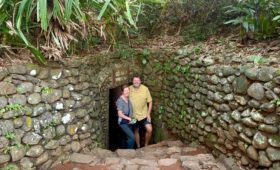
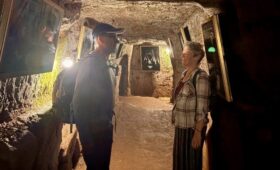
- Vinh Moc Tunnels
- Ben Hai River
- Quang Tri Citadel
- Khe Sanh Combat Base
It is typically visited early in the itinerary due to its location near the DMZ core area.
How to Get There from Hue
- Distance: ~100 km
- Travel time: 2–2.5 hours
Travel options:
- Guided DMZ tour (recommended)
- Private car from Hue
- Self-drive motorbike or car
A guided tour provides historical context that greatly enhances the experience.
Best Time to Visit
The best time to visit is:
- February to August (dry season)
Weather is ideal for walking, sightseeing, and outdoor photography.
Travel Tips
- Bring sun protection (very open area)
- Combine with nearby DMZ sites
- Spend time at the small museum for context
- Visit early morning for better lighting
- Hire a guide for deeper historical explanation
Frequently Asked Questions
Why is Hien Luong Bridge famous?
It is famous for being the symbolic dividing line between North and South Vietnam during the Vietnam War.
What does the bridge represent today?
Today, it represents peace, reunification, and national unity.
Can I visit Hien Luong Bridge from Hue in one day?
Yes, it is a common stop in full-day Hue DMZ tours.
Conclusion
Hien Luong Bridge is more than a historical structure—it is a powerful symbol of Vietnam’s divided past and its reunified present. Standing over the Ben Hai River at the 17th Parallel, it reminds visitors of the country’s complex history and long journey toward peace.
For travelers interested in Vietnam War history, visiting Hien Luong Bridge together with Vinh Moc Tunnels and Khe Sanh Combat Base through a Hue DMZ Tour offers one of the most meaningful experiences in Central Vietnam.